· Ace High Property
Momentum 2026: Why the Johannesburg Commercial Market is Hitting Its Stride
The 2026 JHB property market shifts from recovery to momentum. Explore why Sandton and Waterfall City are leading the charge in the "Flight to Quality."
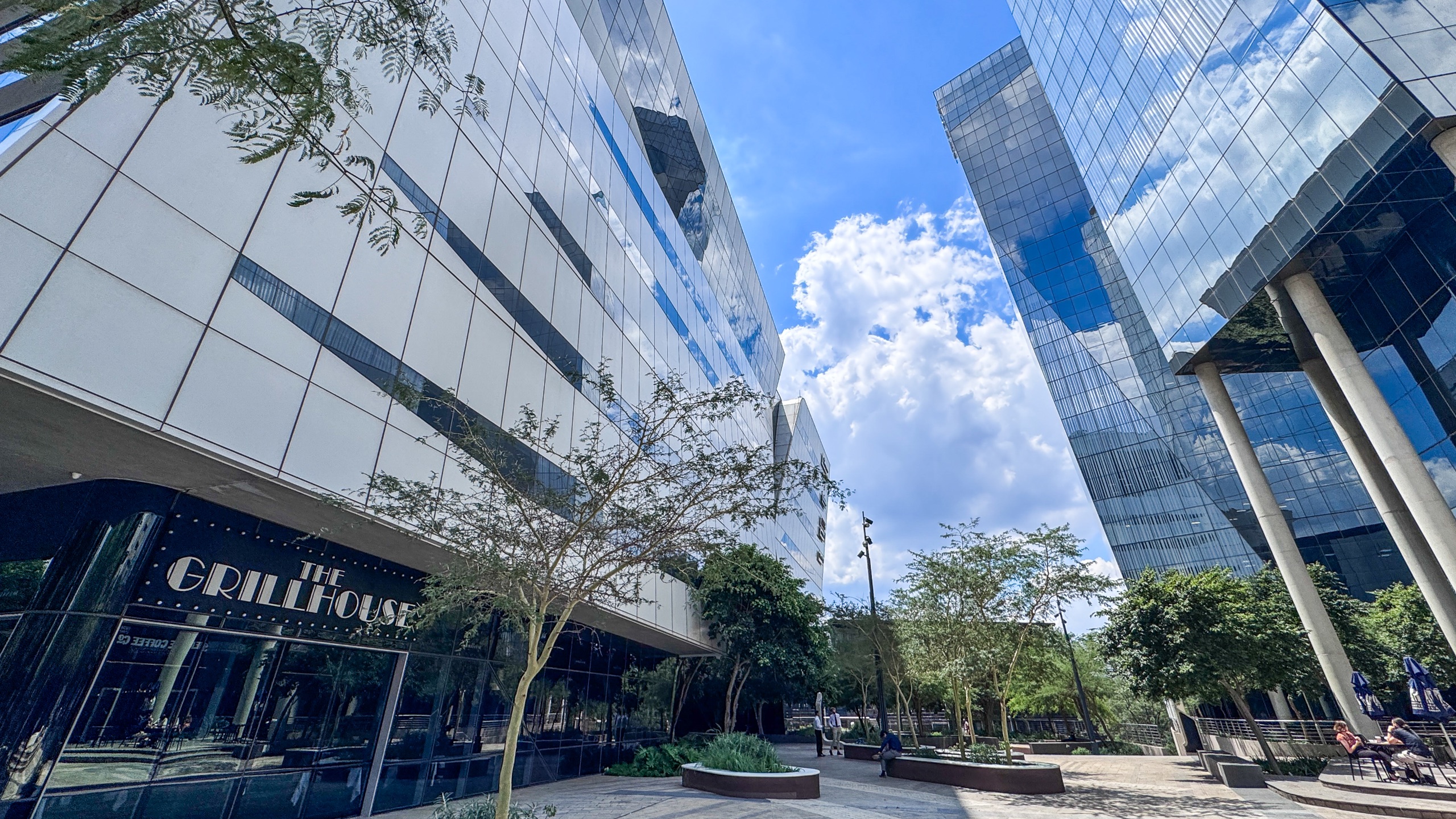
As we move through the first quarter of 2026, a clear narrative is emerging in the South African commercial property sector: we have officially transitioned from a phase of post-pandemic recovery into one of genuine market momentum. While 2024 and 2025 were characterized by lease renegotiations and vacancy management, 2026 is defined by new capital injections and a renewed appetite for scale.
The Node-Specific Rebound: Sandton and Waterfall City
The "Flight to Quality" remains the dominant force driving occupancy in Johannesburg’s prime nodes. In Sandton, vacancy rates in premium (P-grade) towers have plummeted to their lowest levels in nearly a decade, settling around 10.2% as multinationals and local corporates prioritize global-standard addresses. Simultaneously, Waterfall City continues to act as a "gateway" node, re-centering the business axis between Sandton and Midrand. With major infrastructure projects and active construction sites like Gateway East nearing completion, Waterfall has become a blueprint for the "Live-Work-Play" ecosystem that modern tenants now demand.
The Interest Rate Pivot and Investor Confidence
A significant driver of this 2026 momentum is the turning interest-rate cycle. Following a period of aggressive hiking, the South African Reserve Bank has stabilized the prime lending rate at 10.25%, with further modest cuts anticipated throughout the year.
This stable rate environment has unlocked several key advantages for the market
• Improved Financing: Banks are showing an increased appetite to fund commercial and industrial projects. • Yield-Driven Opportunities: Johannesburg continues to offer some of the strongest yield-driven opportunities in the country, particularly for income-producing assets in secure nodes. • REIT Resilience: South African Real Estate Investment Trusts (REITs) have entered 2026 with strengthened balance sheets and falling vacancies across their industrial and retail portfolios.
Sustainability: From "Nice-to-Have" to Market Mandate
In 2026, sustainability is no longer an optional feature—it is a value driver. Tenants are actively seeking buildings with Green Star or EDGE certifications to mitigate the rising costs of traditional utilities. Buildings that offer integrated energy ecosystems, including solar arrays and battery storage (BESS), are capturing significant lease rate premiums. In fact, green-certified offices in South Africa are currently outperforming non-certified assets by a total return margin of approximately 1.5 percentage points.
Conclusion: The Window for Strategic Growth
The Johannesburg commercial landscape of 2026 is one of disciplined investment and cautious optimism. While the broader market remains balanced, high-demand areas like Sandton and Waterfall City are leaning toward a seller’s market for premium stock. For businesses and investors alike, the opportunity lies in acting early to secure high-performance space before the full impact of the rate-cutting cycle triggers the next surge in pricing.